Undercurrents Ep. #15: What is the legacy of the coalition government?

Watch the latest episode of Undercurrents on what three years of the coalition government has meant for New Zealand, and what another three years might bring.
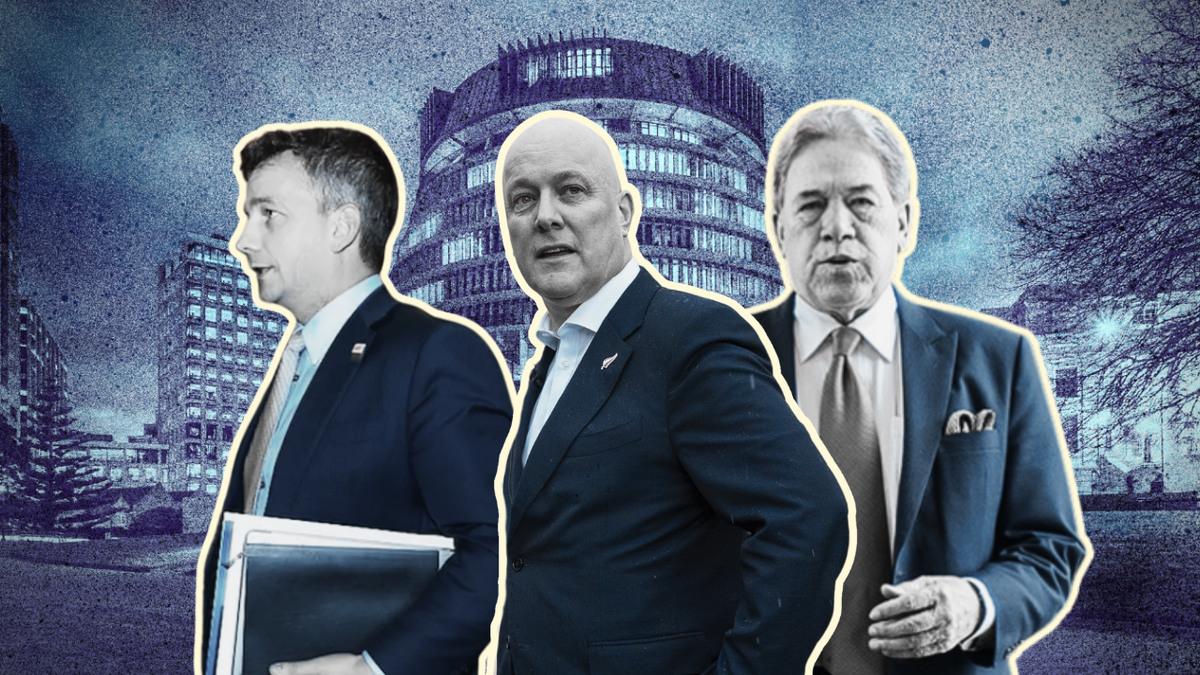
Christopher Luxon came to power promising to get New Zealand back on track, with National pledging to restore fiscal discipline, stimulate economic growth and ease the cost of living.
But three years on, few except the most true blue seem to think that objective has succeeded.
Economic growth has been sluggish, unemployment has risen, public services are under strain, and the cost of living continues to weigh heavily on households.
So, on the eve of another election, it's time to take stock. What is the legacy of the 2023-2026 coalition government?
Is the daily struggle of many New Zealanders a sign that the government has failed to deliver on its promises? Or is what feels like failure to many of us actually part of the plan?
In the latest episode of Undercurrents, Ollie Neas is joined by economist Susan St John and political scientist Brian Roper to examine the coalition's economic programme and its longer-term legacy.
They examine why the coalition's promised economic revival has been so slow to arrive, whether its austerity programme has made matters worse, and who has benefited from its approach to taxation, welfare and public spending.
The conversation also raises a bigger question: how much of the coalition's agenda reflects an economic model shared by successive governments? And with the election approaching, is a different direction possible?
Watch the full conversation below and subscribe to Public Interest for more discussions making sense of politics and power in Aotearoa.
This episode was produced by Micah Geiringer and Luke Maker, with additional research by Quinn McKay. Edited by Jeremy Leveridge.