Fifteen years after Pike River, New Zealand is dismantling the reforms it inspired

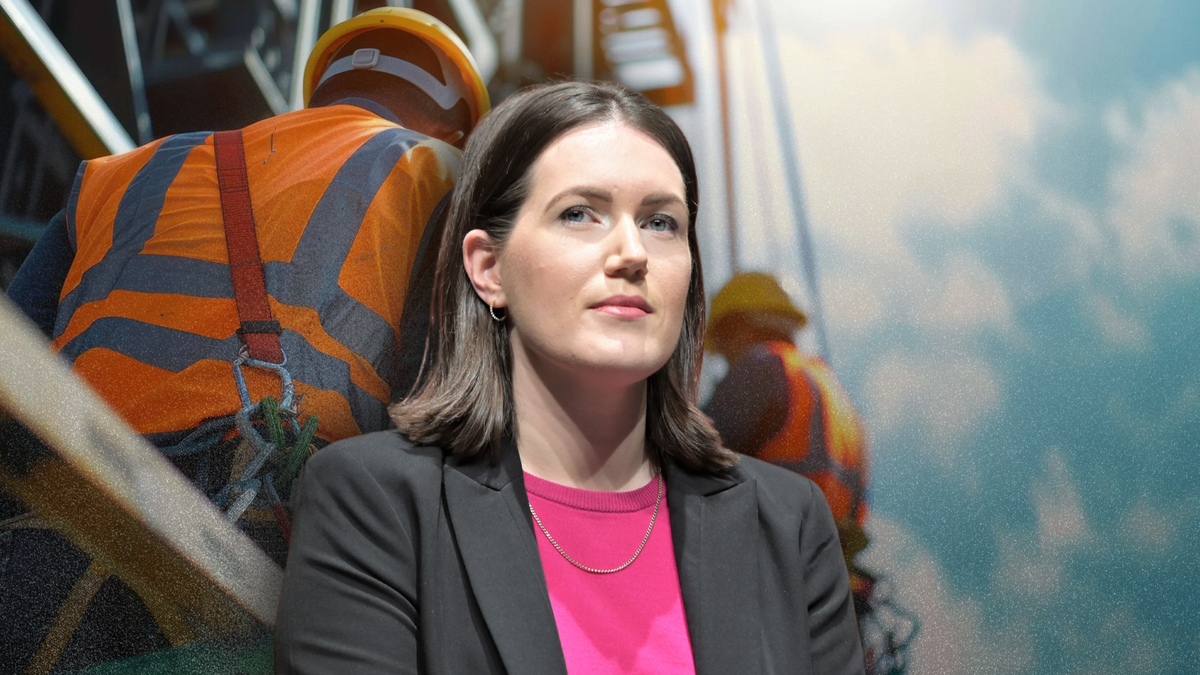
The Pike River disaster was meant to transform workplace safety in New Zealand. Fifteen years on, journalist Rebecca Macfie says that consensus is unravelling – and the country is forgetting the lessons that cost 29 men their lives.
For a time after the Pike River disaster, it seemed that a new political consensus had emerged.
Parties of both left and right agreed change was needed to make sure no worker would again go to work uncertain whether they would make it home at the end of the day.
But just 15 years later, those lessons are being actively forgotten.
This week, the coalition government's Health and Safety at Work Amendment Bill passed its third reading in Parliament, removing full health and safety protections for an estimated quarter or more of New Zealand workers.
Workplace Relations Minister Brooke van Velden says the reforms will reduce red tape, lower compliance costs and improve certainty for businesses. But bizarrely, it's hard to find anyone who actually supports the changes – even among the businesses that are supposed to benefit.
To journalist Rebecca Macfie, whose 2013 book Tragedy at Pike River Mine remains the definitive account of that disaster, these reforms represent just the latest chapter in a story of worker disempowerment going back 35 years.
Since the early 1990s, health and safety legislation has never been backed up with the regulation or enforcement needed to make it work properly, Macfie says.
And while the post-Pike reforms were supposed to fix these failures, successive governments never completed the work needed to make the new system function properly.
Now, the coalition government is making it worse. The consequence, Macfie says, can only be a weakening of protections for workers.
"We've done an incredible job of taking something as grave as a worker being killed on the job, and we've managed to turn that into something worthy of ridicule," she says.
For Macfie, the stakes are much bigger than this one amendment. "Health and safety is, if you like, the ultimate measure of worker disempowerment," she says. "For as long as we are still a largely deunionised economy, I think workers are always going to suffer more than they need to."
Watch the full conversation below and subscribe to Public Interest for more discussions making sense of politics and power in Aotearoa.