Marilyn Waring on how New Zealand went backwards on pay equity

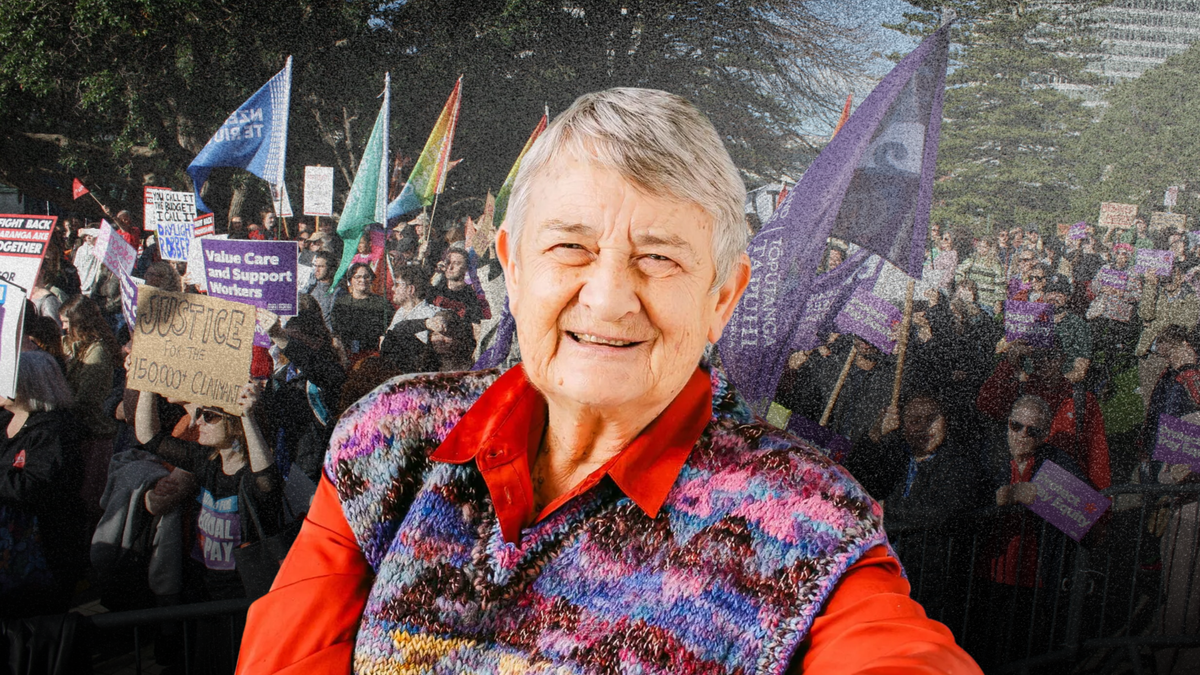
New Zealand was once a world leader on pay equity. Dame Marilyn Waring explains how the government wound back decades of progress – and why the fight to properly value women’s work is far from over.
It has been more than a year since the government’s shock announcement that it was rewriting New Zealand’s pay equity laws under urgency, halting dozens of existing claims and making it significantly harder for workers to bring new ones.
While ministers argued the changes were necessary to make the system more workable and sustainable, critics described them as one of the biggest rollbacks of women’s workplace rights in decades.
The reaction from unions, workers and civil society was immediate. An independent People’s Select Committee on Pay Equity, made up of 10 former MPs from across the political spectrum, convened to hear evidence that Parliament never considered, finding that the changes amounted to a “flagrant and significant abuse of power”.
Last week, the fight moved to the courtroom, with the High Court considering a challenge brought by unions alleging the pay equity changes are inconsistent with New Zealand’s Bill of Rights Act. A decision in that case is pending.
In this episode of Public Interest, Ollie Neas speaks with Dame Marilyn Waring – economist, feminist scholar and former MP – about why women’s work has historically been undervalued, whether the government’s justifications for gutting the pay equity regime stack up, and where the fight for pay equity is at today.
Watch the full conversation below and subscribe to Public Interest for more discussions making sense of politics and power in Aotearoa.