Undercurrents Ep. #4: Can the climate movement fight back?

Watch the latest episode of Public Interest's fortnightly current affairs show, Undercurrents.
For a moment in 2019, it felt like something was changing.
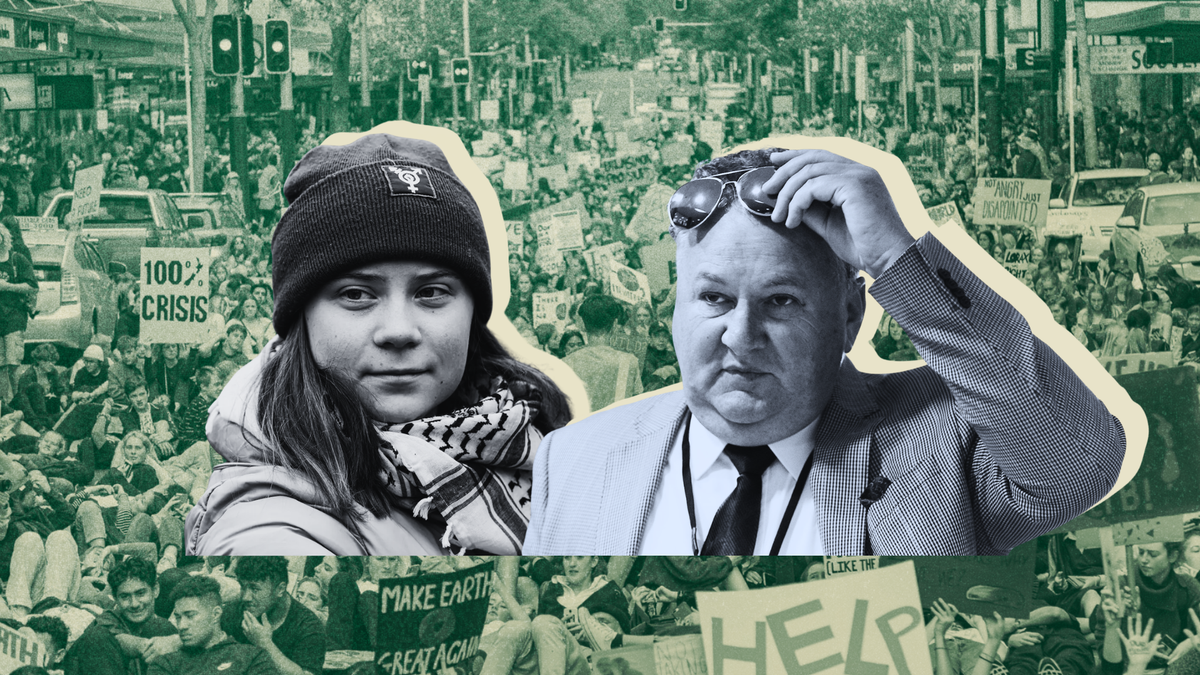
Around the world, millions took to the streets demanding climate action, including more than 170,000 students in New Zealand. At last, it felt like the disconnect between the science and our politics was starting to narrow.
But seven years on, we find ourselves in a much darker political moment.
Climate change is no longer some distant possibility but a reality of everyday life. Not only do emissions continue to rise, but so too does an authoritarian politics that combines climate denialism and fossil fuel expansion with attacks on democracy.
And that has left the climate movement facing a profound strategic dilemma.
Traditionally, the left has understood that big political change comes from the slow work of organising: building relationships, building institutions, building majorities, and building deep forms of democratic power capable of confronting vested interests and transforming society.
But climate change confronts us with a terrifying sense of urgency. Scientists warn that the window for action is rapidly closing. And for many activists, that raises a difficult question: if the crisis is this immediate, can we really afford to wait for slow political change?
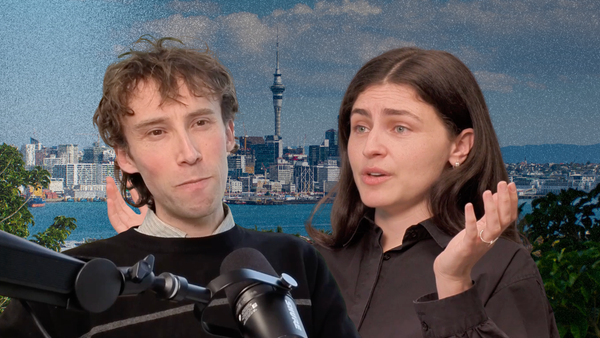
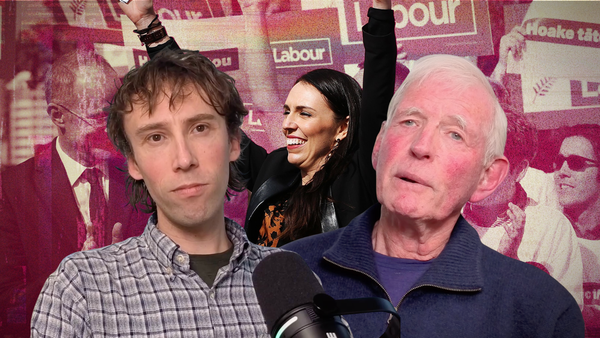
That tension is increasingly shaping the climate movement – driving debates around direct action, disruption, and political strategy. This is the focus of the latest episode of Undercurrents, in which Ollie Neas speaks with climate justice organiser India Logan-Riley and journalist Simon Wilson about the state of climate politics in Aotearoa.
The conversation ranges from the legacy of the 2019 climate strikes through to the coalition government’s rollback of environmental protections, including the recent law change to shield companies from climate litigation.
Wilson argues that climate politics now faces a far more organised and determined opposition than it did a decade ago – one backed by fossil fuel interests with enormous economic and political power.
Logan-Riley warns that many of the government’s climate policies are shaped by the same market logic that created the crisis in the first place, turning climate action into a vehicle for profit-making rather than systemic change.
The episode also explores debates within the climate movement itself: the limits of individual responsibility politics, the rise of disruptive direct action campaigns, and the challenge of building mass support for climate action in communities reliant on fossil industries. As Logan-Riley puts it, “Climate change isn’t just an environmental issue… and so our political responses shouldn’t also just be environmental issues.”
Listen to the full episode below or wherever you get your podcasts. Subscribe to stay updated about future episodes.