Undercurrents Ep. #8: Why is New Zealand so expensive?

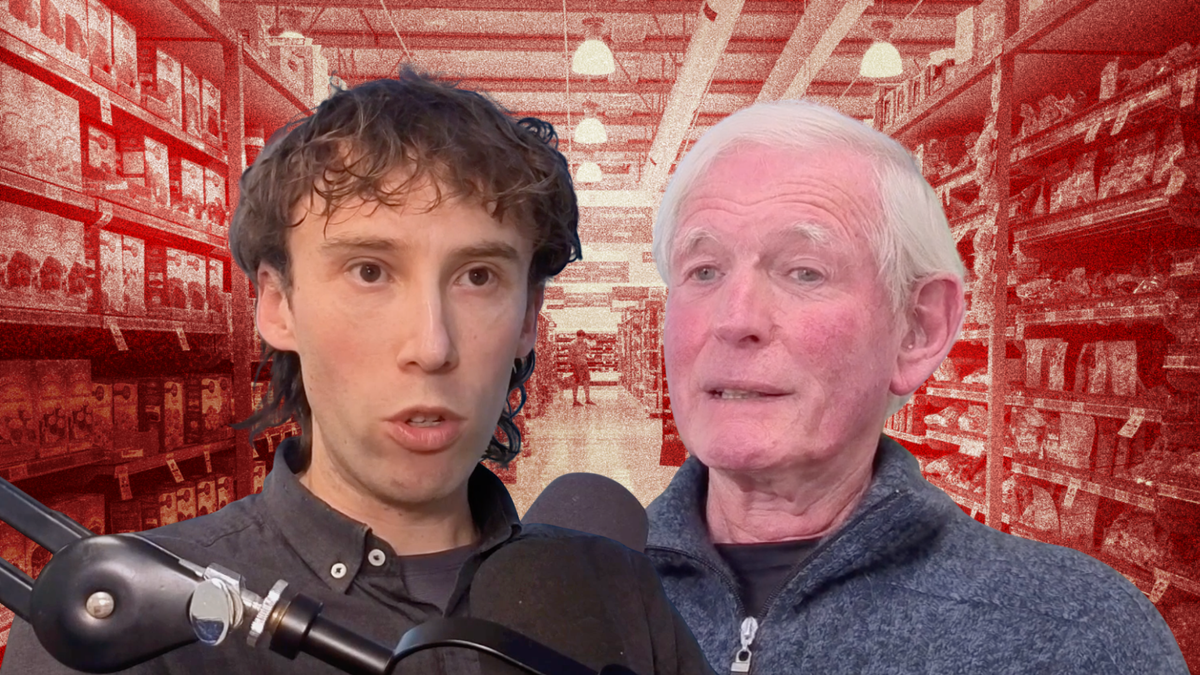
Watch the latest special edition of Undercurrents: a two-part exploration of New Zealand's cost of living crisis.
For years, we have been told the cost of living crisis is primarily the result of global forces, government profligacy, or the seemingly impersonal laws of inflation. The prescription: higher interest rates and tighter government spending.
But what if that's only part of the story?
In this two-part episode of Undercurrents, economist Geoff Bertram argues it is a mistake to conflate recent inflationary surges with New Zealand’s cost of living crisis – which in fact stretches back much further, to the days when inflation overall was low. Far from reflecting purely impersonal economic forces, this crisis is the product of political decisions about how markets are organised and whose interests they serve.
In part one, Bertram examines the long-term political forces that have pushed up the cost of everyday life in New Zealand. As the state has stepped back from providing many of life’s essentials, markets have been deregulated. The result is what Bertram calls “the law of the jungle” – price-gouging by predatory monopolies, leaving households paying more for the things they can't do without.
Part two picks up where that story leaves off. In a time when the state is unwilling to intervene to ease cost of living pressures directly, who bears the cost of rising prices? Bertram explores how interest rates have become the single blunt tool for responding to inflation, and why the burden of adjustment so often falls on the poor.
Watch the full conversation below and subscribe to Public Interest for more discussions making sense of politics and power in Aotearoa.
PART ONE
PART TWO