What the government's conservation U-turn really means

The government is backing down on the most controversial part of its proposed conservation reforms. But New Zealand's conservation estate remains under threat, conservation advocate Bianca Ranson says.
Last month, the government's Conservation Amendment Bill passed its first reading, heralding what ministers described as the biggest overhaul of New Zealand's conservation laws in 40 years.
Although pitched as a way to modernise the management of conservation land, environmental groups warned it would flip conservation law on its head, by putting economic development ahead of conservation.
This past week, it's all blown up.
New maps released by Forest & Bird showed that up to 60 percent of New Zealand's conservation estate could be eligible for sale or exchange, triggering widespread public concern.
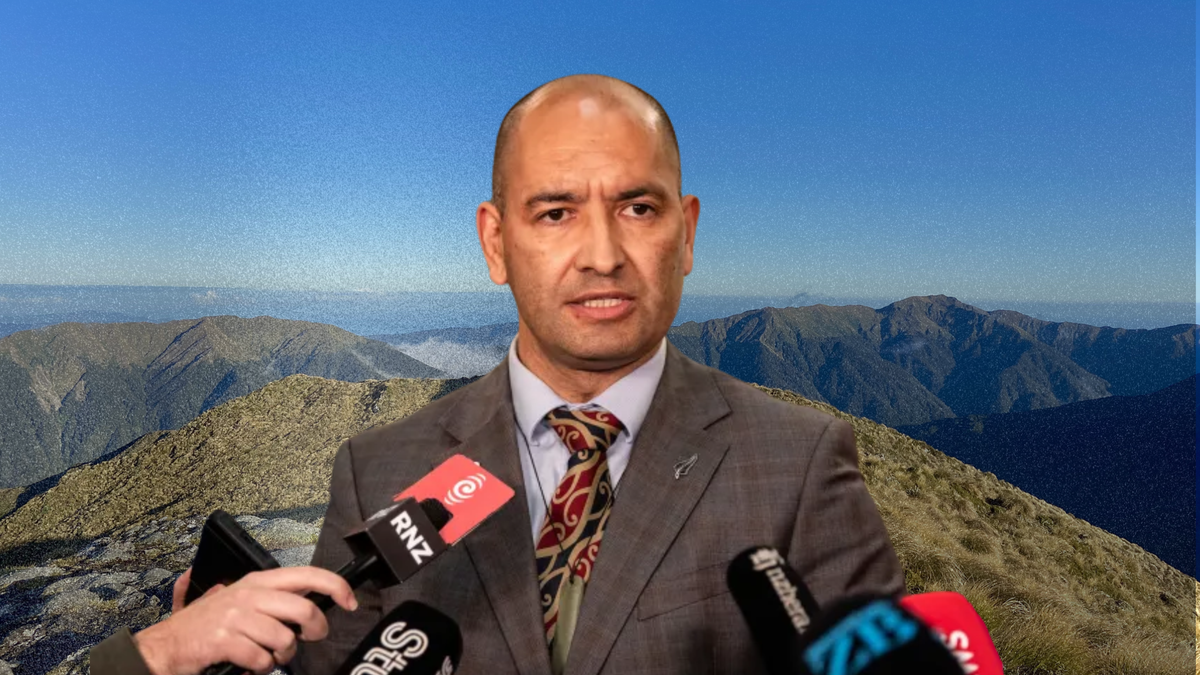
And then, on Thursday, conservation minister Tama Potaka announced a U-turn, saying the controversial provisions allowing for the sell-off of conservation land would be removed from the bill.
But does that mean the controversy is over?
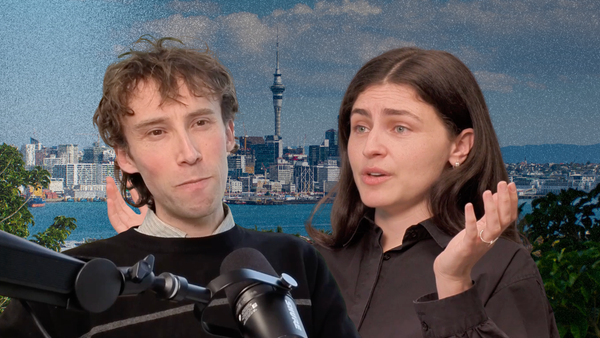
This week on Public Interest, Ollie Neas speaks with Forest & Bird's national conservation advocate Bianca Ranson about what the government's back-down means for the reforms and why environmental groups believe the proposed law still poses significant risks to New Zealand's conservation estate.
Watch the full conversation below and subscribe to Public Interest for more discussions making sense of politics and power in Aotearoa.
Research by William Bell-Purchas.