"Labour is reckoning with that history": Max Harris on Rogernomics, flipping Tāmaki, and the election

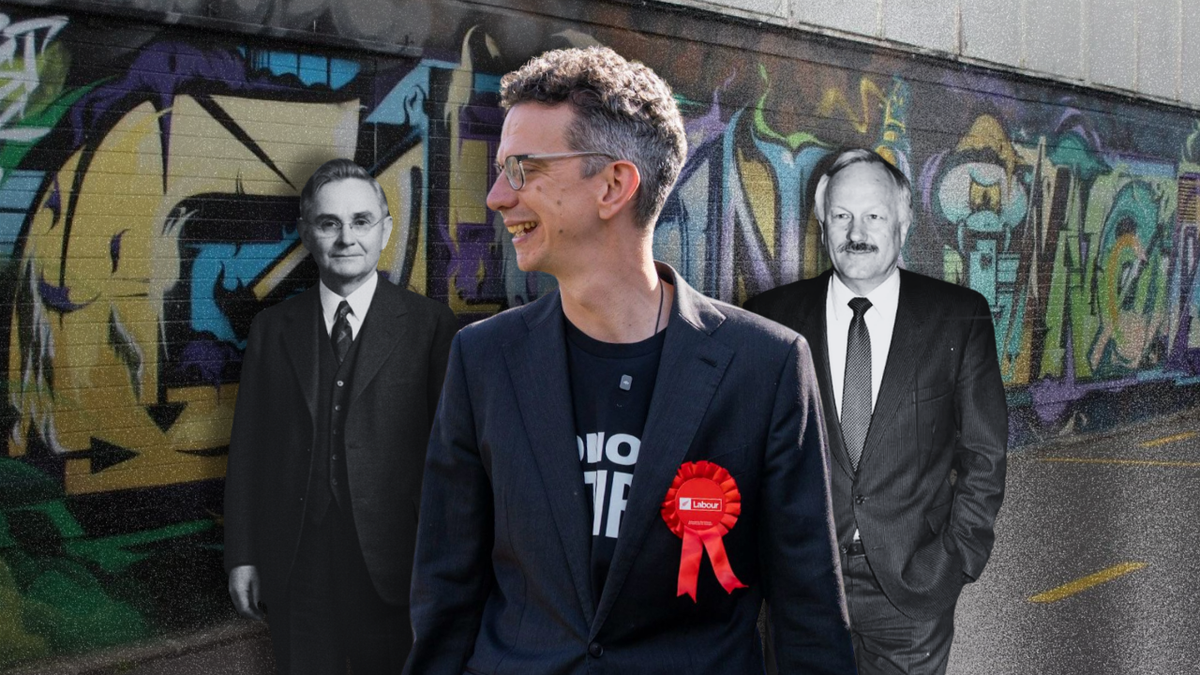
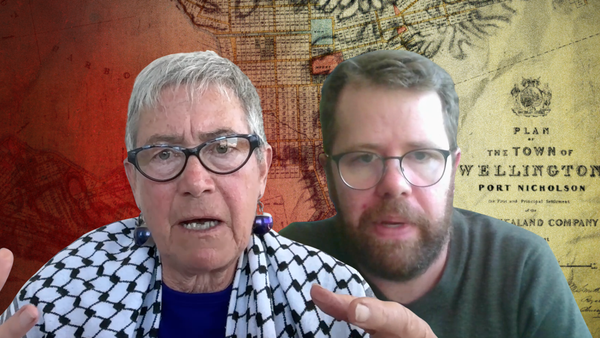
Max Harris is one of New Zealand's leading progressive thinkers. Now he's running for Parliament – for the Labour Party. Is that a sign Labour is changing?
This week Labour released its candidate list for the 2026 election, and among the new names, perhaps one stood out more than the rest.
Since publishing The New Zealand Project nearly a decade ago, lawyer and activist Max Harris has become one of the country's most prominent progressive voices, pushing consistently for a politics and economy grounded in universal public services and Te Tiriti o Waitangi.
In recent years, he has put his energy behind campaigns for free universal dental care, a Ministry for Green Works, and welfare and incomes reform, and has fronted the legal battle to protect wāhi tapu in Whakatāne from commercial development.
Now he's running for office, and his placement at 29th on the Labour list makes Parliament a real possibility come November.
But for many on the left, jaded with Labour’s lack of transformational zeal in recent years, Harris’ parliamentary turn raises an obvious question: why Labour?
In a new interview with Public Interest, Harris offers an answer.
For him, it all goes back to the enduring legacy of the First Labour Government, which created the welfare state and New Zealand’s public healthcare system in the 1930s and 40s.
“Those roots still run through the party today. They're an inspiration for further action,” Harris says, citing the party’s ongoing connections to workers and organised labour, and reach into diverse communities.
But while a Labour government may have created the welfare state, it was also a Labour government that began to dismantle it, through the Rogernomics reforms of the 1980s.
Harris acknowledges this, but says: “the party's reckoning with that history”.
What makes him say that? And why does Harris see evidence of Labour’s reckoning with its past in its recent policy announcements? Watch the full interview below to find out.
Also in the conversation: why Harris thinks the race for the Tāmaki electorate is “wide open”; the case for old-fashioned door-knocking; and why he sees this election as a choice between public ownership and privatisation.
Watch the conversation below and subscribe to Public Interest for more discussions making sense of politics and power in Aotearoa.