“The system is rigged”: Chlöe Swarbrick on capitalism, democracy and the Greens’ path to power

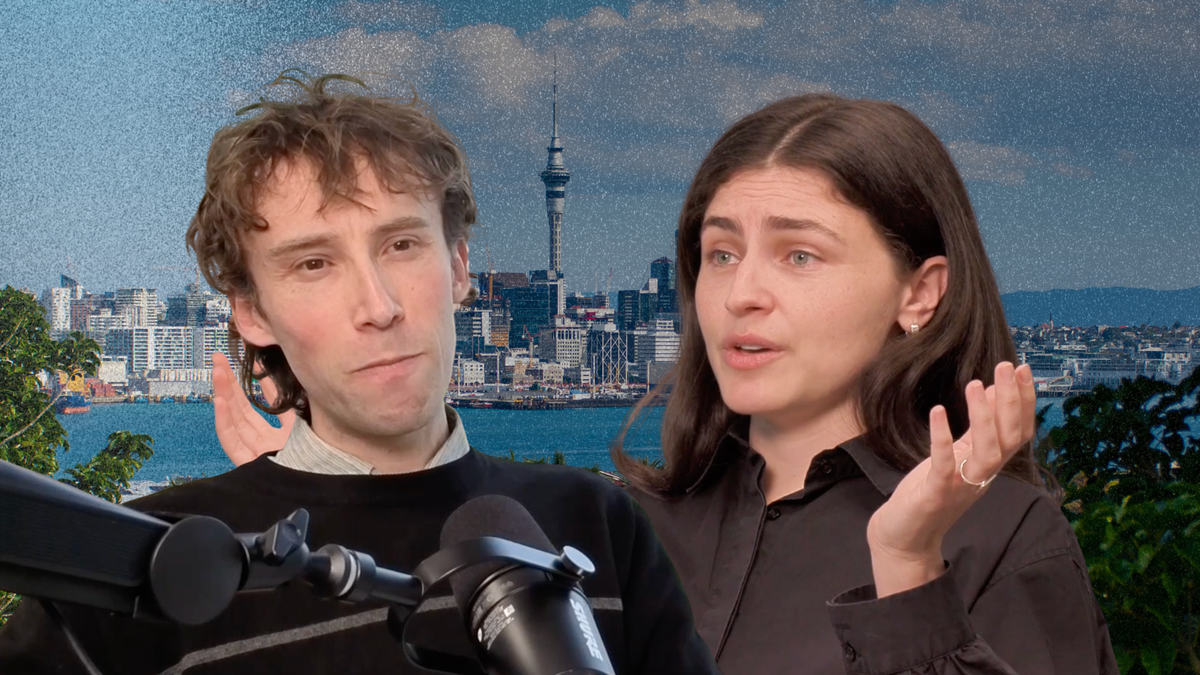
Chlöe Swarbrick wants to take on corporate power, redistribute wealth and expand public ownership. But can the Greens build the mass political movement needed to make this happen?
Since becoming co-leader of the Green Party in 2024, Chlöe Swarbrick has been clear about her ambition to grow the Greens into the major party of the New Zealand left.
And the signs of that ambition are clear in the party’s election campaign this year.
The Greens are focusing squarely on people’s immediate material concerns, promising bold state intervention to bring down the cost of essentials, alongside tax reform to shift the burden from working people onto the wealthy.
For Swarbrick, this reflects an evolution in both her own politics and those of the party. “Anything other than material redistribution is tokenism,” she tells Public Interest.
But for the foreseeable future, the Greens’ path into government runs through Labour – a party that has ruled out some of the Greens’ priorities and is running a decidedly lower-ambition campaign.
So how do the Greens actually plan to win the changes they are campaigning on? Can they do so while remaining Labour’s junior coalition partner? And if Swarbrick really wants the Greens to become the largest party on the left, how does the party grow beyond its existing electoral base?
In this episode of In Brief, Ollie Neas sits down with Chlöe Swarbrick to discuss inequality and democratic decay, the evolution of the Greens, public ownership, Labour, and why she believes grassroots organising is key to building a much larger political movement.
Watch the full conversation below and subscribe to Public Interest for more discussions making sense of politics and power in Aotearoa.
This episode was edited by Jeremy Leveridge, research by Luke Maker, video by Andrew Strugnell.