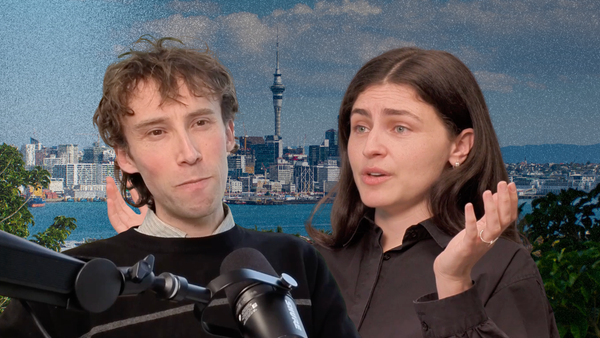
Undercurrents Ep. #12: Why did Ardern’s government fall short?

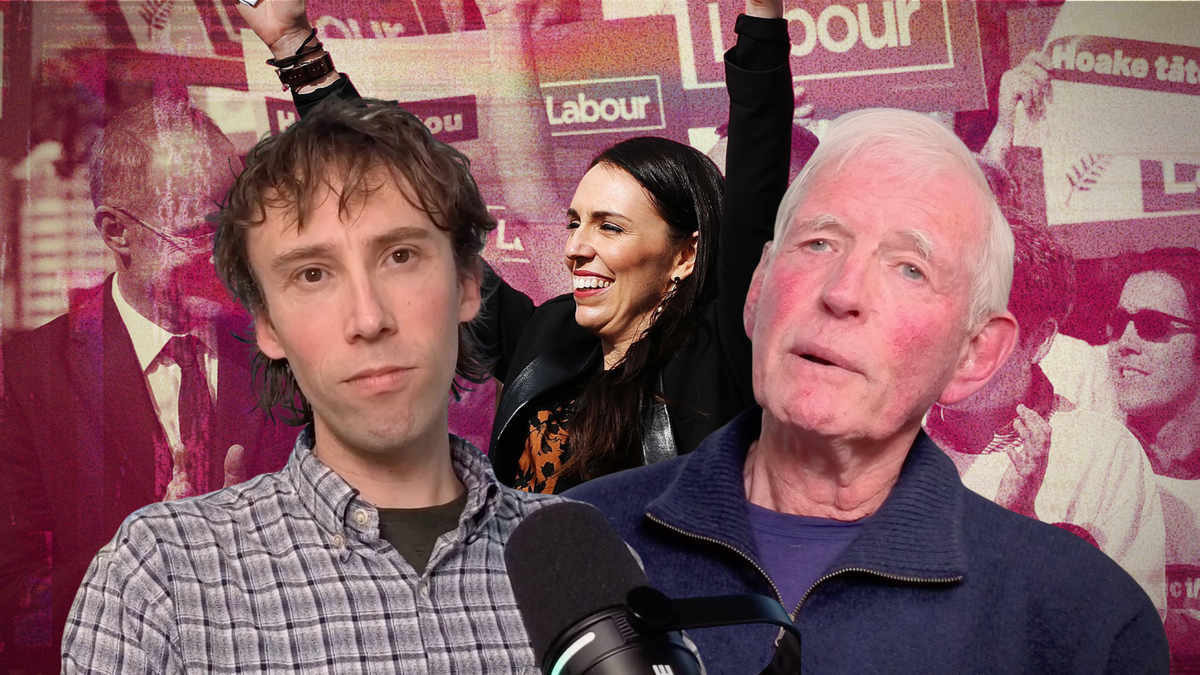
Watch the latest episode of Undercurrents on why Jacinda Ardern’s government fell short of its transformational ambitions – and what lessons the left should draw as another election approaches.
It’s been nearly a decade since Jacinda Ardern became leader of the Labour Party, which swept into government promising transformation.
The ambitions were substantial. Ardern declared that capitalism had failed when it came to housing, Labour promised to build 100,000 affordable homes, climate change was framed as her generation’s “nuclear-free moment”, and the government promised to lift tens of thousands of children out of poverty.
Six years later, Labour left office with much of that transformational promise unfulfilled.
Why did the Ardern government struggle to deliver on its ambitions? Was it simply a failure of political leadership and execution, or did it expose deeper constraints on what governments in New Zealand are now capable of doing?
In this episode of Undercurrents, Ollie Neas talks to economist Dr Geoff Bertram about the long-term weakening of the New Zealand state, the legacy of the public-sector reforms of the 1980s and 1990s, Labour’s self-imposed fiscal constraints, and the loss of the institutions and expertise governments once relied on to turn political programmes into reality.
And with another election approaching, they ask what lessons the left should draw from the Ardern years – and what a future Labour-led government would need to do differently if it wanted not just to win power, but to use it.
Watch the full conversation below and subscribe to Public Interest for more discussions making sense of politics and power in Aotearoa.
This episode was edited by Jeremy Leveridge. Research by Quinn McKay.