Undercurrents Ep. #5: Who really benefits from tough on crime?

Watch the latest episode of Public Interest's fortnightly current affairs show, Undercurrents.
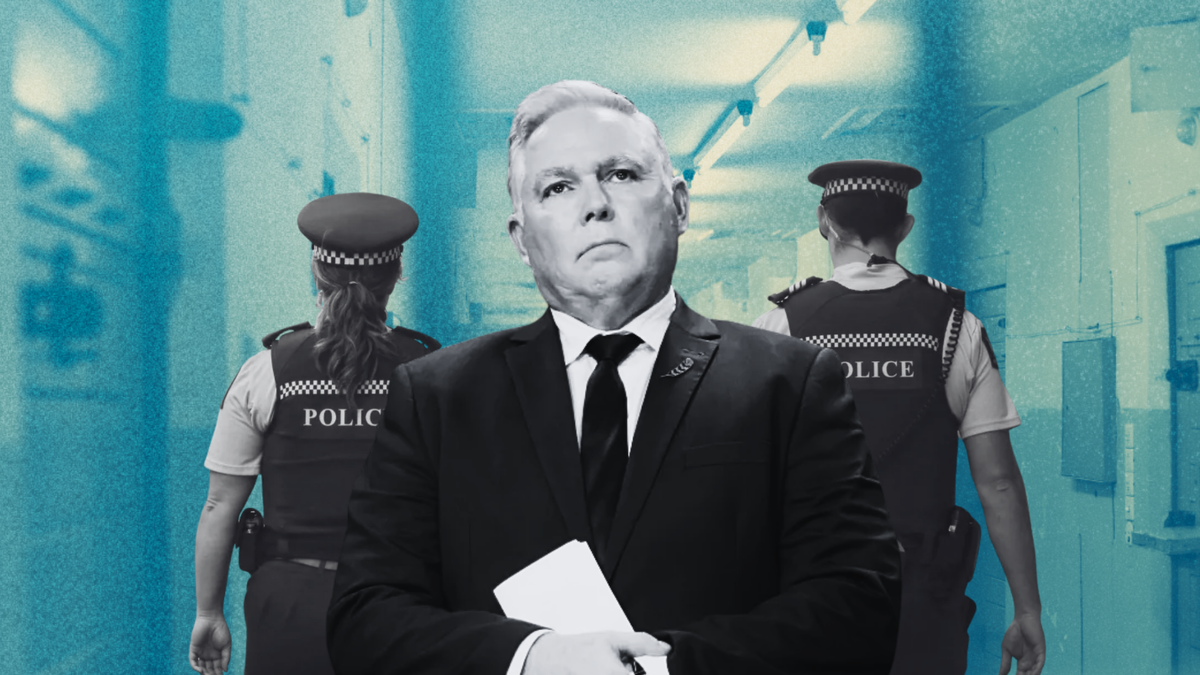
Since taking office in 2023, the coalition government has rolled out a sweeping programme of tough-on-crime policies: increasing sentences, expanding police powers, building more prison beds – even tasking police with moving rough sleepers off the streets.
Now, it’s election year again and, like clockwork, the parties of the right are banging the law and order drum once more. Political press releases and social media feeds paint a picture of a country at risk of being overwhelmed by gangs, violence and disorder. And many people are buying it: since the early 2000s, public surveys consistently show that most New Zealanders think crime is increasing.
The problem is that the evidence tells a very different story.
New Zealand’s recorded crime rate has been falling for decades. And yet, at the same time, we have embraced an increasingly punitive approach to criminal justice. Prison sentences have lengthened, remand populations have exploded, and the rate of imprisonment has doubled since the 1980s. Today, New Zealand imprisons people at one of the highest rates in the developed world. Māori are dramatically overrepresented.
So how did we get here? Why is there such a huge gap between public perception and the reality of the criminal legal system? What forces are really driving people into our courts and prisons? And if tougher punishments fail to make communities safer, who benefits from ‘tough on crime’ politics?
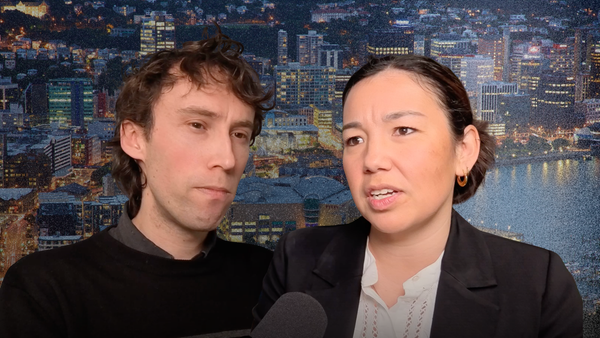
Those are the questions explored in the latest episode of Undercurrents, where Ollie Neas is joined by lawyer and activist Gabriella Brayne and lawyer and author Asher Emanuel, whose new book The Valley has been hailed as a landmark work of immersive journalism for its depiction of the realities of the criminal justice system.
For both Brayne and Emanuel, it is no coincidence that the rise of a punitive approach to criminal justice has coincided with the neoliberal reforms that dismantled much of New Zealand's post-war social-democratic settlement.
As Brayne argues, austerity and tough-on-crime politics are two sides of the same project: "You leave people vulnerable, you strip away welfare protections, you create enormous employment and housing precarity, and then the state is left with this massive problem. The way that it sweeps that away is through over-policing. It's through expanding our prisons.”
For Emanuel, law and order politics works by individualising what are really collective political problems.
“A law and order approach to social crisis is about the individualisation of responsibility for the consequences of political decisions."
"Instead of pointing the finger at deteriorating material circumstances as the causes of the social dysfunction, [it points] at those of us who are the victims of these policies and who have borne the greatest consequences."
For Emanuel, his book The Valley is not only about three people navigating the criminal legal system, but about the profound political and economic transformations that reshaped New Zealand over the course of their lives.
The episode also explores the government's recent move-on orders, the colonial origins of New Zealand's criminal justice system, and the limits of reform from within it. The result is a discussion that reframes law and order not as a technical debate about sentencing and policing, but as a political question about economic power, inequality and the distribution of resources across society.
Watch the full conversation below and subscribe to Public Interest for more discussions making sense of politics and power in Aotearoa.